Mixing up Memorial Day vs Veterans Day is common, and you’re in good company. Here’s the short answer: Memorial Day honors those who died in service, while Veterans Day thanks all who served.
This guide is part of our coverage of military and veterans.
| Item | Detail |
|---|---|
| Memorial Day date | Last Monday in May |
| Veterans Day date | November 11 |
| Memorial Day honors | Service members who died in service |
| Veterans Day honors | All who served honorably, in wartime or peacetime |
| Memorial Day original name | Decoration Day |
| Veterans Day original name | Armistice Day |
These facts come from reporting by the Atlanta Journal-Constitution and NBC Washington. Holiday rules and dates can change, so check the source before you rely on them.
Who each holiday honors
Memorial Day is reserved for military personnel who died in the service of their country, particularly in battle or from wounds sustained in battle. That is how the U.S. Department of Veterans Affairs (VA) puts it, as quoted by the AJC.
Veterans Day is, in the VA’s words, the day set aside to thank and honor all those who served honorably in the military, in wartime or peacetime. It also honors the dead, so it covers veterans both living and deceased.
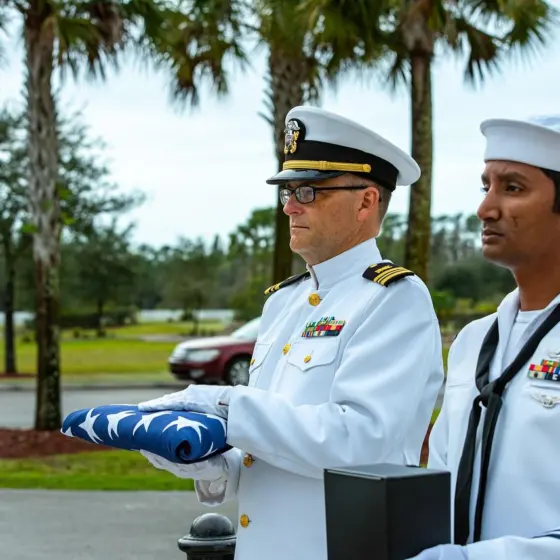
The quickest way to keep them straight is the mood. Mental Floss frames Veterans Day as a time to shake the hand of a veteran, and Memorial Day as a time to remember those who are no longer around to receive your gratitude in person.
- Memorial Day: solemn remembrance of those who died in service.
- Veterans Day: thanks for everyone who served, living or dead.
- Dates: the last Monday in May, and November 11.
How Memorial Day began
Memorial Day started as Decoration Day, when towns decorated the graves of Civil War soldiers with flowers. In 1868, Union Army veteran Gen. John A. Logan organized a nationwide day of remembrance on May 30, as the AJC explains. Mental Floss adds that May 30 was chosen because it wasn’t the anniversary of any particular battle, so all soldiers could be honored.
At first the day honored only those who died in the Civil War. Following World War I, soldiers who died in all wars were honored, according to NBC Washington.
The date was fixed by Congress. The Uniform Monday Holiday Act of 1968 placed Memorial Day on the last Monday in May, and Mental Floss dates the move to 1971, which matches the year the law took effect per the AJC.
In 2000, Congress also created the National Moment of Remembrance. It asks all Americans to pause at 3 p.m. local time on Memorial Day to remember the dead, according to the AJC.
How Veterans Day began
Veterans Day began as Armistice Day. The agreement that ended World War I called for hostilities to cease at 11 a.m. on the 11th day of the 11th month of 1918, and the first Armistice Day was celebrated in the United States on Nov. 11, 1919, per the AJC.
The holiday took years to take its current shape:
- Later: Congress passed a resolution making the armistice day an annual observance, Mental Floss reports.
- 1938: a congressional act made Armistice Day an annual legal holiday.
- 1945: World War II veteran Raymond Weeks proposed expanding it to honor veterans of all U.S. wars.
- 1954: the holiday legally became Veterans Day.
There was also a detour. In 1968 the same act that set Memorial Day moved Veterans Day to the fourth Monday in October, and it took effect in 1971. In 1975, President Gerald Ford signed a bill returning it to Nov. 11, citing the date’s “historic and patriotic significance,” according to the AJC.
You can read the full story in our history of veterans day guide.
Why do people mix them up?
As of the AJC’s Nov. 7, 2025 update, the VA says people frequently confuse the two holidays. Both focus on Americans who served in the military, and both involve flags, ceremonies and time off.
They sit about six months apart, according to Mental Floss. Memorial Day also arrives as a three-day weekend that many people see as the start of summer, which can blur its purpose.
Spelling trips people up too. The VA’s position, relayed by the AJC, is that it’s Veterans Day, plural and without an apostrophe.
How people observe each day
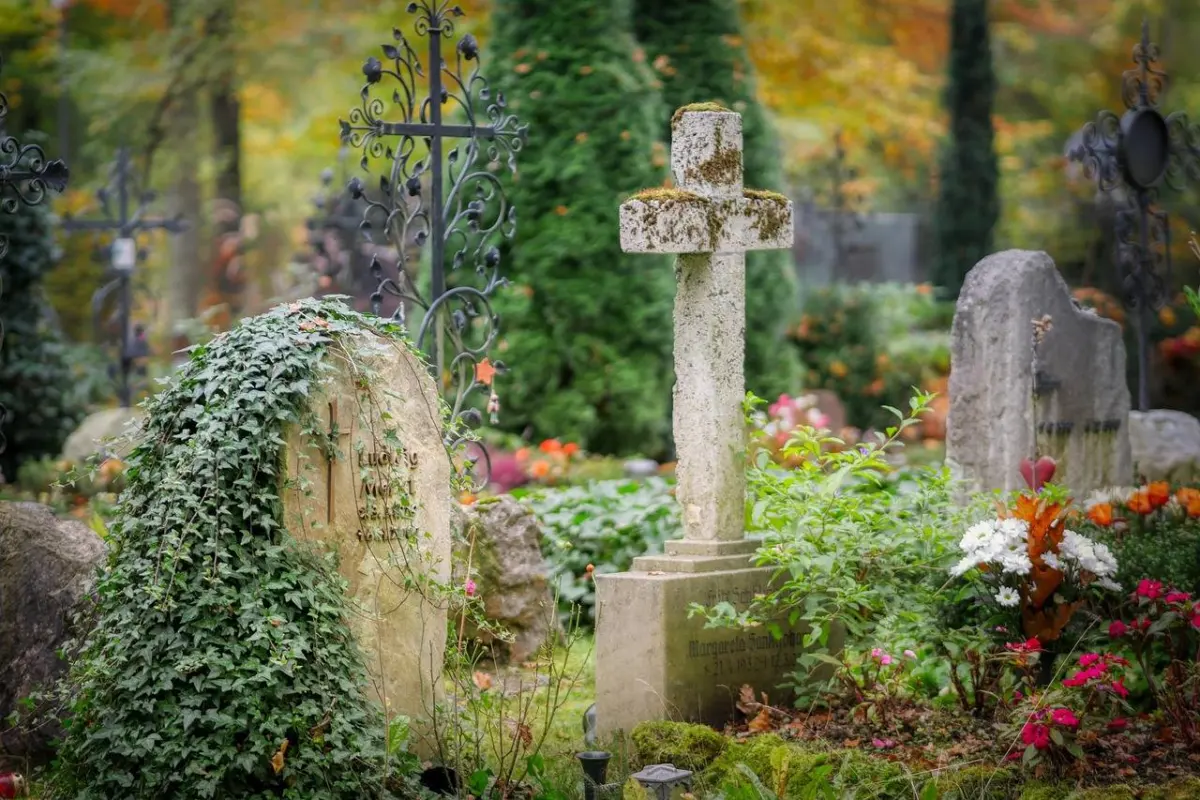
Memorial Day ceremonies are often held at cemeteries where fallen soldiers are interred, NBC Washington notes. The AJC points to observances everywhere from Arlington National Cemetery to metro Atlanta.
On Veterans Day, the emphasis shifts to thanking the people in your life who have worn the uniform. If you want to understand who those service members are, see us military branches explained.
- On Memorial Day, pause for the National Moment of Remembrance.
- On Memorial Day, visit a cemetery or attend a local ceremony.
- On Veterans Day, thank a veteran you know in person.
Frequently asked questions
Is it Veterans Day or Veterans’ Day?
Show answer
Skip the apostrophe. The holiday is a day for honoring all veterans, not one that belongs to them, which is why the VA’s wording, as the AJC relays it, ends in a plain “s”.
When did Armistice Day become Veterans Day?
Show answer
In 1954, the holiday legally became known as Veterans Day, so it could honor veterans of all U.S. wars rather than only World War I.
Why is Memorial Day always on a Monday?
Show answer
Congress set it as a federal holiday on the last Monday in May in 1968, as NBC Washington reports. Mental Floss says the Monday placement was meant to create a three-day weekend.
What is the National Moment of Remembrance?
Show answer
Congress established it in 2000. It asks you to pause at 3 p.m. local time on Memorial Day to remember the dead.
Can you thank a living veteran on Memorial Day?
Show answer
You can, but the day is reserved for those who died in service. Veterans Day is the occasion framed around thanking living veterans in person.