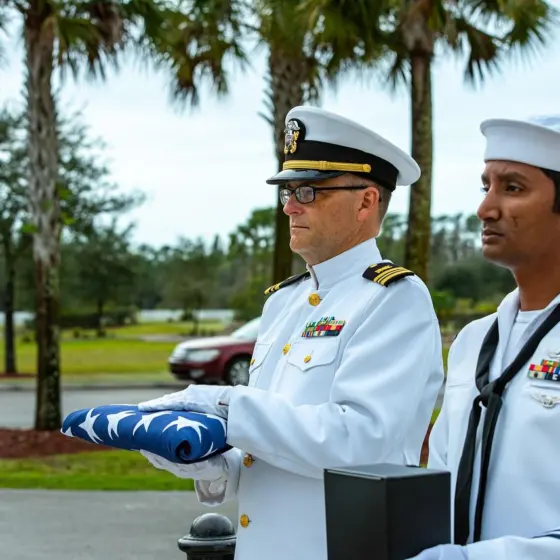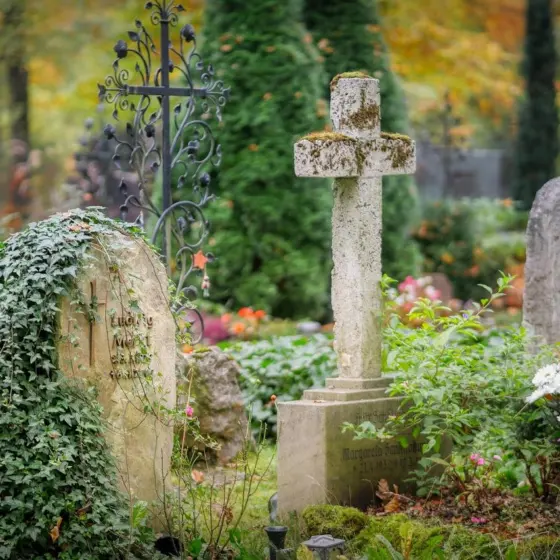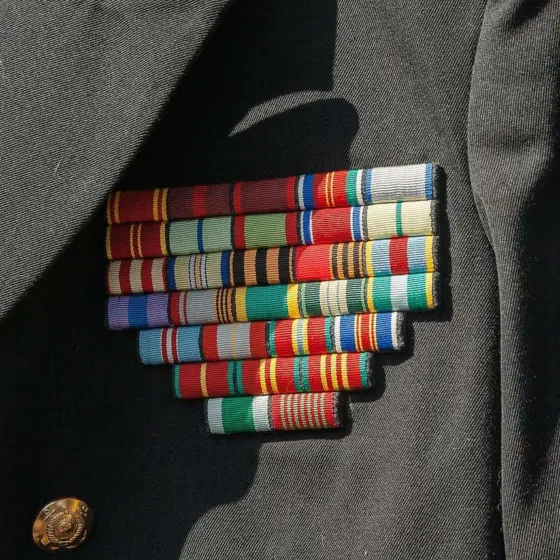
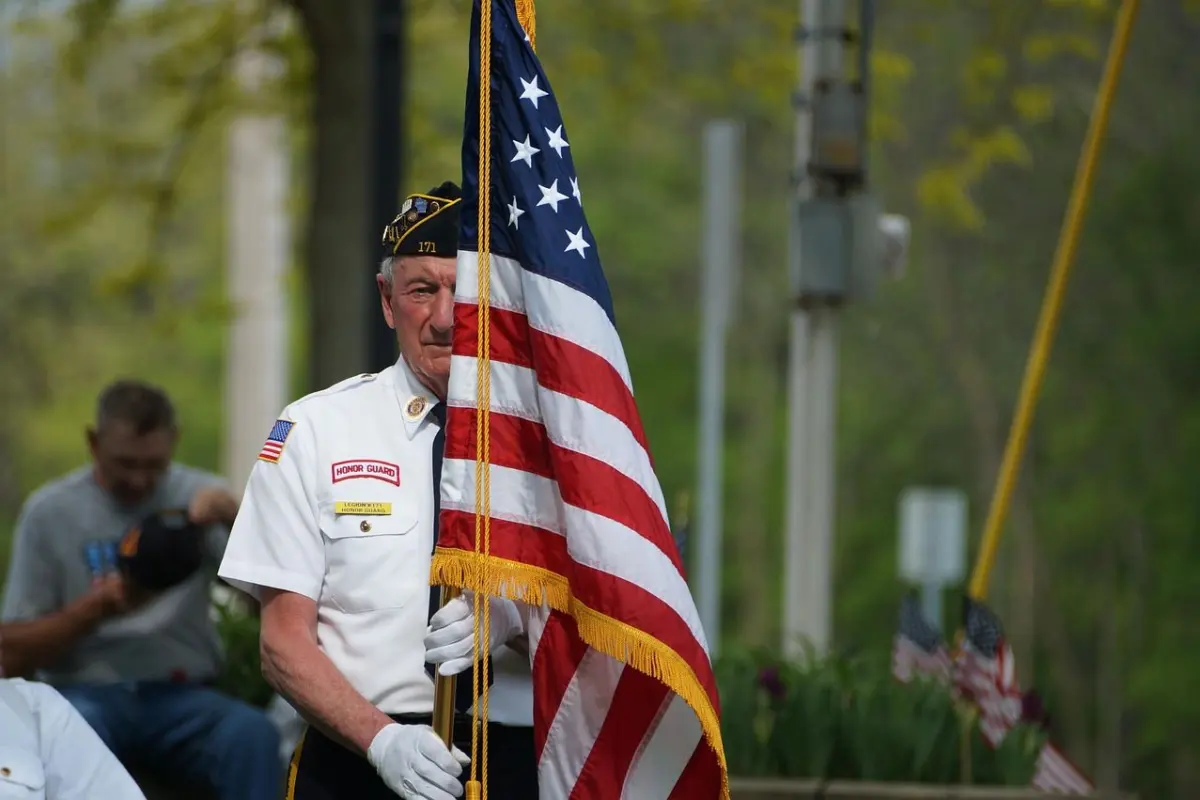
Wondering why Americans pause on November 11? The history of Veterans Day starts with the 1918 World War I armistice, became Armistice Day, and was renamed Veterans Day in 1954 to honor veterans of all wars.
You can find more background in the military and veterans section of this site.
| Item | Value |
|---|---|
| World War I armistice | November 11, 1918 |
| Armistice Day made a federal holiday | May 13, 1938 |
| Renamed Veterans Day (signed by President Eisenhower) | June 1, 1954 |
| First Veterans Day under the Monday holiday law | October 25, 1971 |
| Observance returned to November 11 | Beginning in 1978 |
These dates come from the GovInfo history of Veterans Day and the History.com account. Details can be corrected or change, so check the source before you rely on them.
From the 1918 armistice to the first Armistice Day
At the 11th hour of the 11th day of the 11th month of 1918, an armistice, or temporary cessation of hostilities, was declared between the Allied nations and Germany, according to History.com. That is why the holiday sits on November 11.
The Treaty of Versailles was signed on June 28, 1919, which marked the official end of World War I. Even so, the armistice date stayed in the public imagination as the day the conflict ended.
In November 1919, President Woodrow Wilson proclaimed November 11 as the first commemoration of Armistice Day. The observance included parades and public gatherings, plus a brief pause in business and school activities at 11 a.m.
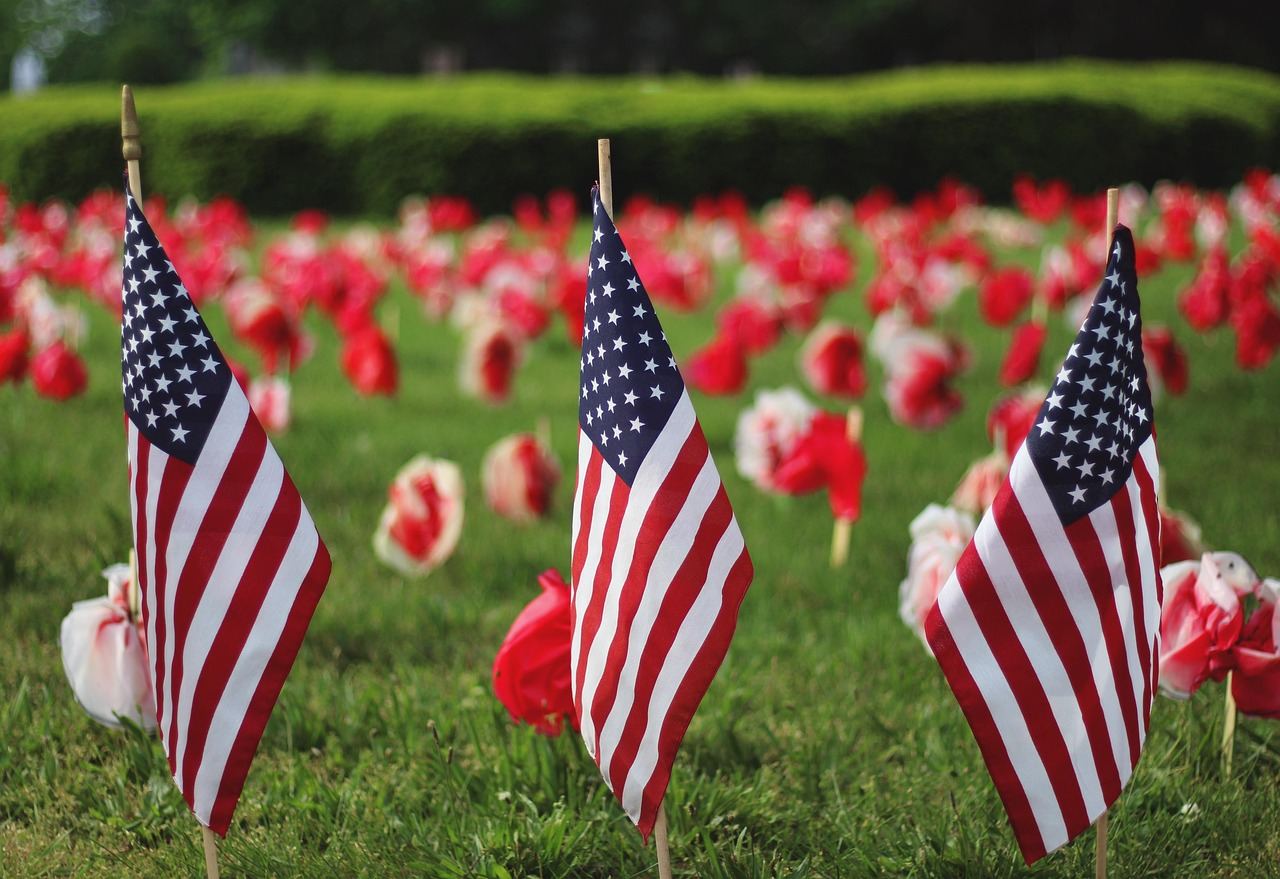
How Armistice Day became a legal holiday
The day grew more solemn in the years that followed. According to History.com, three steps stand out:
- On November 11, 1921, an unidentified American soldier killed in the war was buried at Arlington National Cemetery. A year earlier, unidentified soldiers had been laid to rest at Westminster Abbey in London and at the Arc de Triomphe in Paris.
- On June 4, 1926, Congress passed a resolution calling for the day to be marked with thanksgiving and prayer and for the president to issue an annual proclamation. By then, 27 state legislatures had already made November 11 a legal holiday.
- An act approved on May 13, 1938, made November 11 a federal holiday dedicated to the cause of world peace.
At this stage the holiday was about the war that ended in 1918 and about peace. It was not yet a day for every veteran.
Why did Armistice Day become Veterans Day?
Another generation of service members changed the picture. World War II saw the greatest mobilization of the U.S. Army, Navy and Air Force in the nation’s history, more than 16 million people, and some 5.7 million more served in the Korean War, per History.com. You can follow the events behind that mobilization in the world war ii timeline.
In 1954, after lobbying by veterans’ service organizations, the 83rd U.S. Congress amended the 1938 act. It struck the word “Armistice” and inserted “Veterans.” President Dwight D. Eisenhower signed the legislation on June 1, 1954, and November 11 became a day to honor American veterans of all wars.
The timing mattered to some of the oldest veterans alive. Military.com notes the change came just in time for then-104-year-old Albert Woolson, the last surviving veteran of the Civil War, to celebrate it.
The Monday holiday experiment from 1968 to 1978
The date of Veterans Day did briefly move. According to History.com, the 1968 Uniform Monday Holiday Act sought to ensure three-day weekends for federal employees by celebrating four national holidays on Mondays: Washington’s Birthday, Memorial Day, Veterans Day and Columbus Day. GovInfo describes the same 1968 law in the same terms.
Here is how the change played out:
- Veterans Day was set for the fourth Monday in October.
- The first Veterans Day under the new law was Monday, October 25, 1971. Many states disagreed with the change and kept the original date, which caused confusion.
- On September 20, 1975, President Gerald R. Ford signed a law returning the observance to November 11, beginning in 1978.
The reversal came because the actual date carried historical and patriotic significance for many Americans. The holiday has stayed on November 11 since 1978.
How Veterans Day is observed
According to History.com, Veterans Day is a federal holiday held each November 11. If that date falls on a Saturday or Sunday, the federal government observes it on the previous Friday or following Monday, respectively. Most local, state and federal government offices are closed.
In Virginia, an official wreath-laying ceremony is held each Veterans Day at the Tomb of the Unknown Soldier in Arlington National Cemetery. Parades and other celebrations are held in states around the country.
You can also help preserve living memory. On October 27, 2000, Congress signed into law the Veterans’ Oral History Project Act, which created the Veterans History Project at the Library of Congress American Folklife Center to collect and preserve interviews with American wartime veterans, per GovInfo.
How it differs from Memorial Day and Remembrance Day
The two American holidays are often confused. Memorial Day honors service members who died in service or from injuries incurred during battle, while Veterans Day pays tribute to all American veterans, living or dead, and especially thanks living veterans who served honorably in war or peacetime. If you want a fuller side-by-side comparison, the guide on memorial day vs veterans day covers it.
Other countries mark the same anniversary. According to History.com, Great Britain, France, Australia and Canada also commemorate the veterans of the two world wars on or near November 11. Canada has Remembrance Day, Britain has Remembrance Sunday on the second Sunday of November, and two minutes of silence at 11 a.m. is common.
Frequently asked questions
Why is Veterans Day on November 11?
Show answer
It recognizes the World War I armistice that began on November 11, 1918. The date has stayed fixed since 1978, after a brief period when it was moved.
When did Armistice Day become Veterans Day?
Show answer
President Eisenhower signed the change on June 1, 1954. Congress had amended the 1938 act, replacing “Armistice” with “Veterans” so the day honored veterans of all wars.
Was Veterans Day ever moved from November 11?
Show answer
Yes. Under the 1968 Monday holiday law, the first Veterans Day on the new schedule was October 25, 1971. President Ford signed a law in 1975 restoring November 11 beginning in 1978.
Who is Veterans Day meant to honor?
Show answer
Per the History.com page last updated November 11, 2026, it is dedicated to all living and deceased veterans who served in the U.S. Armed Forces.