Wondering why you watch fireworks and head to a cookout every July? Fourth of July traditions grew from a 1777 Philadelphia celebration, John Adams’s call for parades and bonfires, and a holiday made federal in 1938.
This story is part of our collection of patriotic stories, which looks at the people and moments behind American customs.
| Item | Value |
|---|---|
| Congress votes for independence | July 2, 1776 |
| Declaration of Independence adopted | July 4, 1776 |
| First annual commemoration, Philadelphia | July 4, 1777 |
| Designated a federal holiday | 1938 |
| U.S. consumer fireworks spending | $2.2 billion in 2024 |
| Deaths blamed on fireworks (CPSC) | 11 in 2024 |
These figures come from HISTORY.com and an Associated Press report. Figures can change, so check the source before you rely on them.
Why do we celebrate on July 4 and not July 2?
The date is a quirk of history. According to HISTORY.com, the Continental Congress voted in favor of independence on July 2, 1776, and two days later delegates from the 13 colonies adopted the Declaration of Independence.
John Adams was sure the vote was the moment to remember. He wrote to his wife, Abigail, that July 2 “will be celebrated, by succeeding Generations, as the great anniversary Festival.” HISTORY.com says he reportedly turned down invitations to July 4th events in protest.
The Associated Press notes that presidents from George Washington on have celebrated the Fourth, with Adams as the one exception. The two men most tied to the document, Adams and Thomas Jefferson, both died on July 4, 1826, the 50th anniversary of the Declaration’s adoption.
How the first celebrations looked
Americans did not invent holiday noise from scratch. Before the Revolution, colonists marked the king’s birthday each year, and bells, bonfires, processions and speechmaking were part of it, according to HISTORY.com.
After the Declaration was adopted, the same spirit was turned toward independence. Early celebrations included:
- Concerts, bonfires and parades.
- The firing of cannons and muskets.
- First public readings of the Declaration of Independence.
- Mock funerals for King George III in the summer of 1776, symbolizing the end of the monarchy’s hold on America.
Adams had practically written the program in advance. In a letter dated July 3, 1776, the Associated Press reports, he said independence ought to be marked “with Pomp and Parade, with Shews, Games, Sports, Guns, Bells, Bonfires and Illuminations” across the continent.
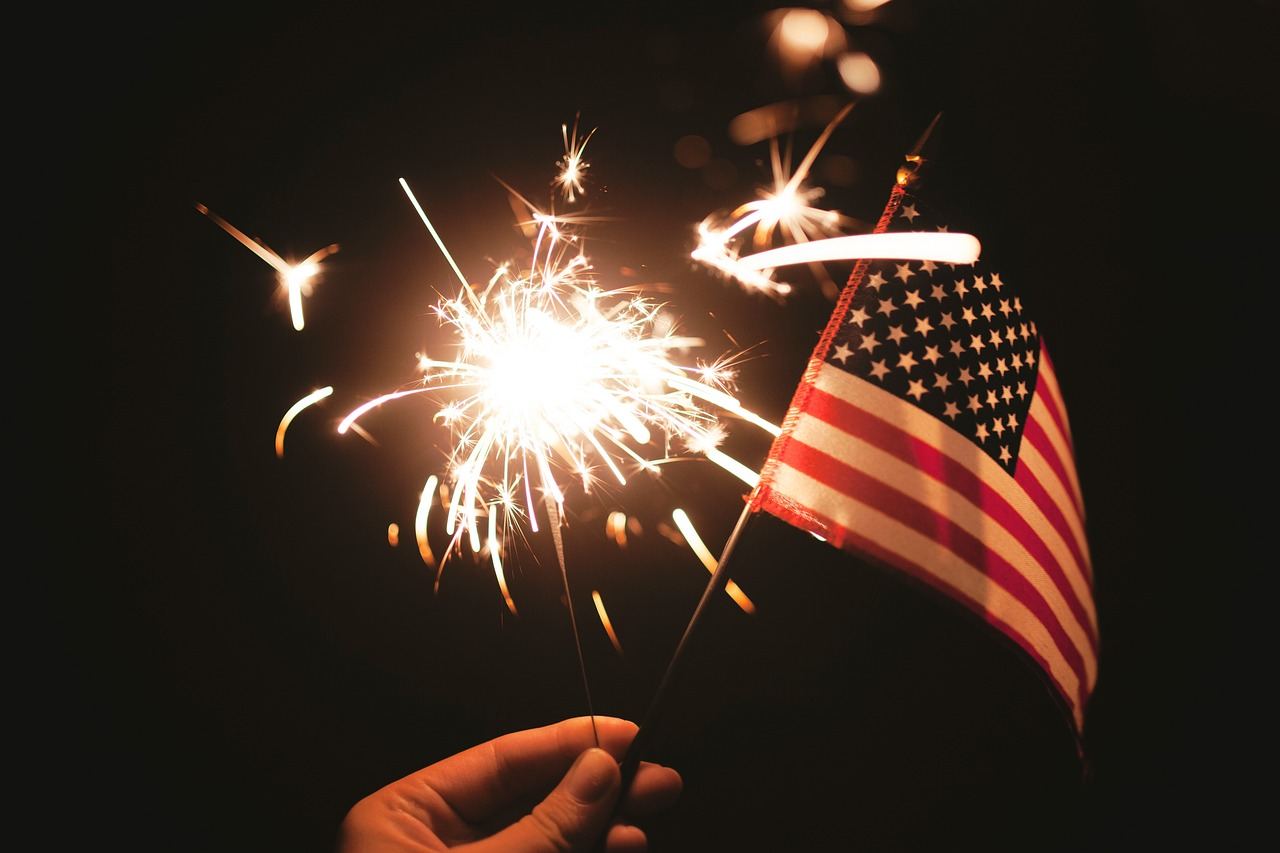
Over the next few years, the habit took hold. Here are three early milestones from HISTORY.com:
- July 4, 1777: Philadelphia held the first annual commemoration of independence.
- 1778: George Washington issued double rations of rum to his soldiers to mark the anniversary.
- 1781: Massachusetts became the first state to make July 4th an official state holiday.
From local festivities to a national holiday
The Fourth did not become a nationwide custom overnight. The Associated Press, citing the Library of Congress, says observations were not commonplace across the young nation until after the War of 1812.
Once it caught on, it caught on quickly. Groundbreaking ceremonies for the Erie Canal and the Baltimore and Ohio Railroad were scheduled to coincide with Fourth of July festivities.
The day also became a stage for politics. By the last decade of the 18th century, HISTORY.com says, the Federalist Party and the Democratic-Republicans began holding separate Fourth of July celebrations in many large cities.
HISTORY.com reports that Independence Day was designated a federal holiday in 1938. It describes the modern festivities as ranging from fireworks, parades and concerts to casual family gatherings and barbecues. If the Fourth falls on a weekend, it is typically observed on the closest weekday, either Friday or Monday.
The red, white and blue on display each year have their own story, and the meaning of the american flag colors is a natural companion to the holiday.
Fireworks: from ancient China to your backyard
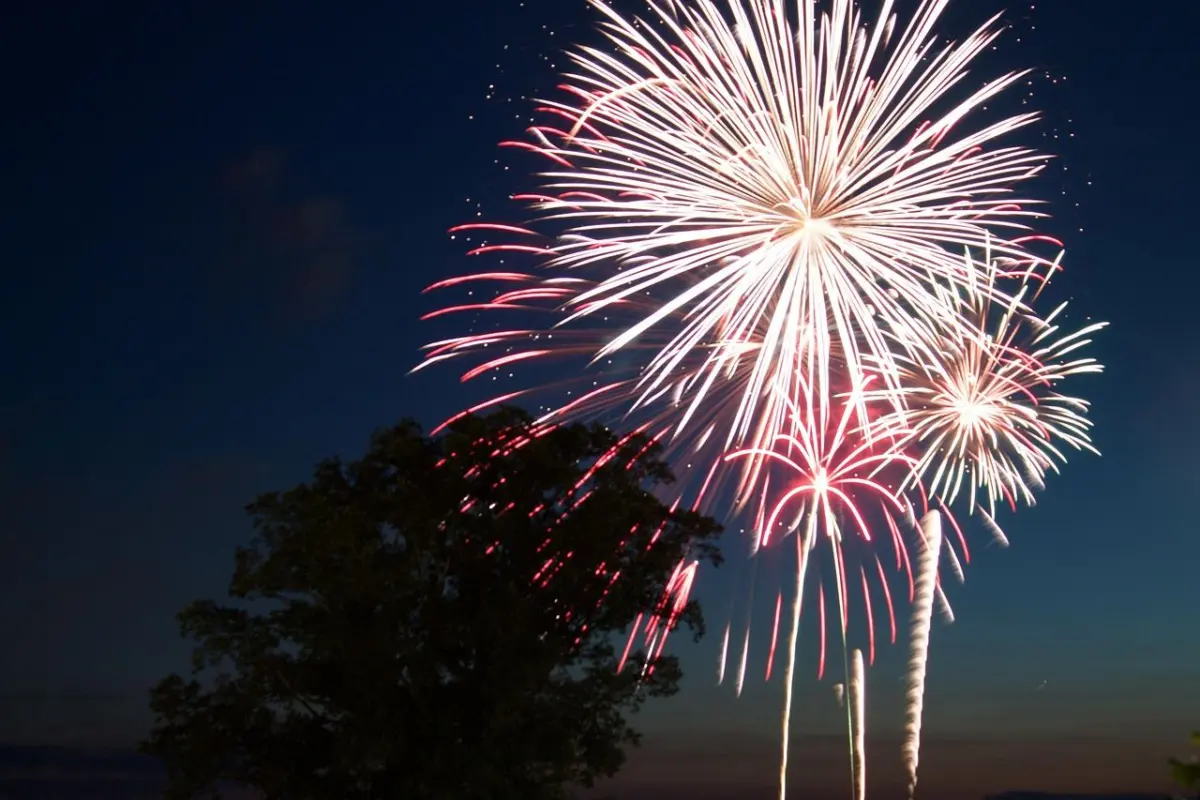
Fireworks are far older than the United States. The American Pyrotechnics Association says many historians believe they were first developed in the second century B.C. in ancient China, when bamboo stalks were thrown into fires and exploded as the hollow air pockets overheated.
By the 15th century, fireworks were widely used for religious festivals and public entertainment in Europe, and early U.S. settlers carried those traditions on. HISTORY.com says the Fourth of July tradition began in Philadelphia on July 4, 1777, when a ship’s cannon fired a 13-gun salute in honor of the 13 colonies.
Americans now buy them in large numbers. The Associated Press, using American Pyrotechnics Association statistics, reports that consumers spent $407 million on fireworks in 2000 and $2.2 billion by 2024.
The biggest jump came during the COVID-19 pandemic, when public displays were shut down. Consumer sales went from $1 billion in 2019 to $1.9 billion in 2020.
Tales of the founding era are part of the fun, too, and our guide to american folklore stories shows how legend and history often sit side by side.
Fourth of July traditions and fireworks safety
Fireworks are also the riskiest part of the holiday. In a report from the Associated Press, the U.S. Consumer Product Safety Commission said fireworks were blamed for 11 deaths in 2024, which is 38% more than the 2023 total.
The same Associated Press report says burns were the most common injury. People hurt their hands and fingers most often, and head, face and ear injuries were frequent, too.
Experts quoted by the Associated Press suggest these precautions:
- Use a flat, hard, level surface away from structures and anything that could catch fire.
- Keep alcohol away from whoever is lighting the fireworks.
- Never let children ignite them.
- Keep a bucket or hose nearby in case of fire or explosion.
- Never relight or handle a malfunctioned firework, and soak the remains before disposing of them.
Frequently asked questions
Why is Independence Day on July 4 if Congress voted on July 2?
Show answer
The vote for independence took place on July 2, 1776, but the Declaration of Independence was formally adopted on July 4. HISTORY.com says that from then on, the Fourth became the day celebrated as the start of American independence.
Did Americans celebrate the Fourth right away?
Show answer
Yes, in part. Colonists celebrated with concerts, bonfires, parades and cannon fire after the adoption, and Philadelphia held the first annual commemoration on July 4, 1777. Observances did not become commonplace across the country until after the War of 1812, according to the Associated Press.
When did fireworks become part of July 4?
Show answer
HISTORY.com dates the tradition to Philadelphia on July 4, 1777, during a spontaneous citywide celebration. Fireworks themselves go back to ancient China, according to the American Pyrotechnics Association.
Is the Fourth of July a federal holiday?
Show answer
HISTORY.com says it was designated a federal holiday across the United States in 1938, and most federal employees are granted the day off. When it falls on a weekend, it is typically observed on the closest Friday or Monday.
Which president refused to celebrate on July 4?
Show answer
John Adams. He felt July 2 was the real Independence Day and turned down invitations to July 4 events, even as the nation’s second president.